

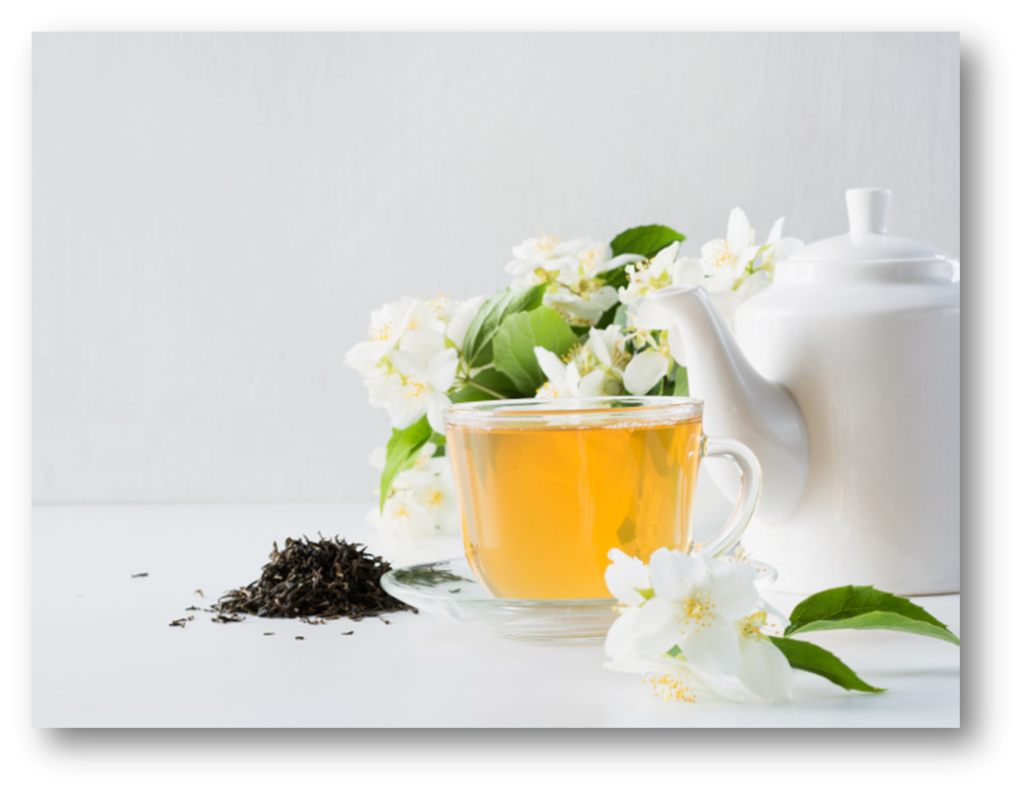
Jasmine, a flower renowned for its enchanting fragrance, has long been a cherished element in various cultures worldwide. Beyond its captivating scent, it offers a plethora of health benefits and versatile herbal applications. Let’s explore how this remarkable flower can enhance your well-being.
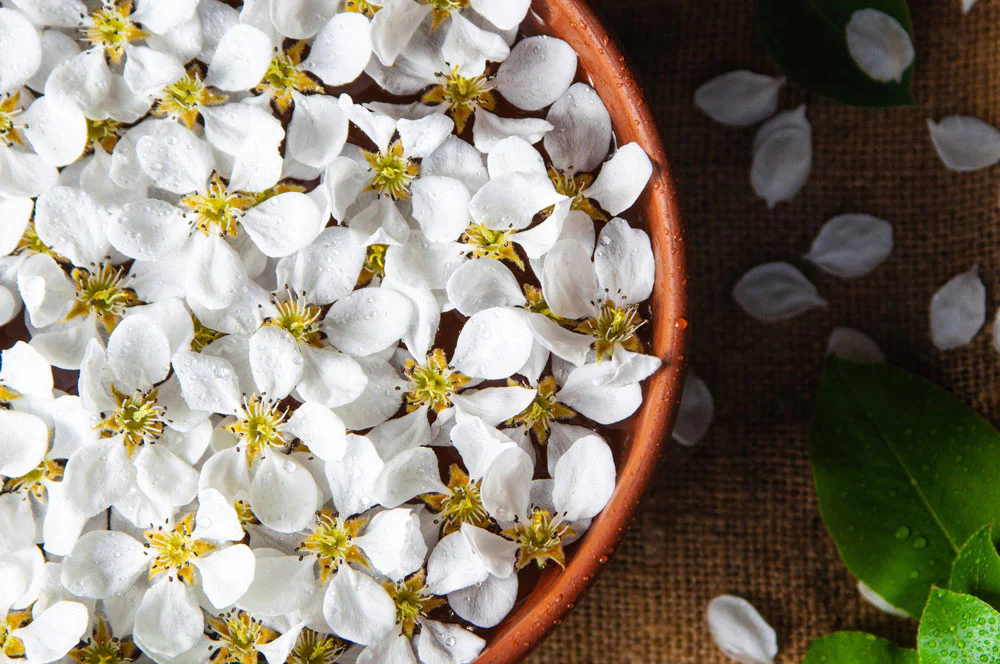
the flowers are packed with beneficial compounds, including:
Flavonoids: Powerful antioxidants that help combat oxidative stress and reduce inflammation.
Essential Oils: Known for their therapeutic properties and delightful aroma.
Alkaloids: Organic compounds that provide pain relief and anti-inflammatory effects.
1. Stress Relief and Mood Enhancement
Jasmine’s essential oils are widely celebrated in aromatherapy for their calming effects. Inhaling the scent of it can significantly reduce stress and anxiety while promoting a sense of well-being. This is largely due to its ability to increase levels of GABA, a neurotransmitter that helps alleviate anxiety and improve mood.
2. Antioxidant Properties
The flavonoids and other antioxidants in it combat free radicals in the body. This action helps prevent cellular damage, reduce the risk of chronic diseases such as cancer, and promote overall health.
3. Antimicrobial Effects
it is strong antimicrobial properties, effectively inhibiting the growth of bacteria and fungi. This makes it useful for treating infections and maintaining healthy skin.
4. Improved Digestion
Jasmine tea is known to aid digestion by promoting the secretion of digestive enzymes. It can also help alleviate gastrointestinal discomfort, such as bloating and constipation, making it a soothing choice after meals.
5. Skin Health
Applying it can improve skin elasticity, reduce dryness, and provide a youthful glow. Its antimicrobial properties also help treat skin conditions such as acne and eczema.
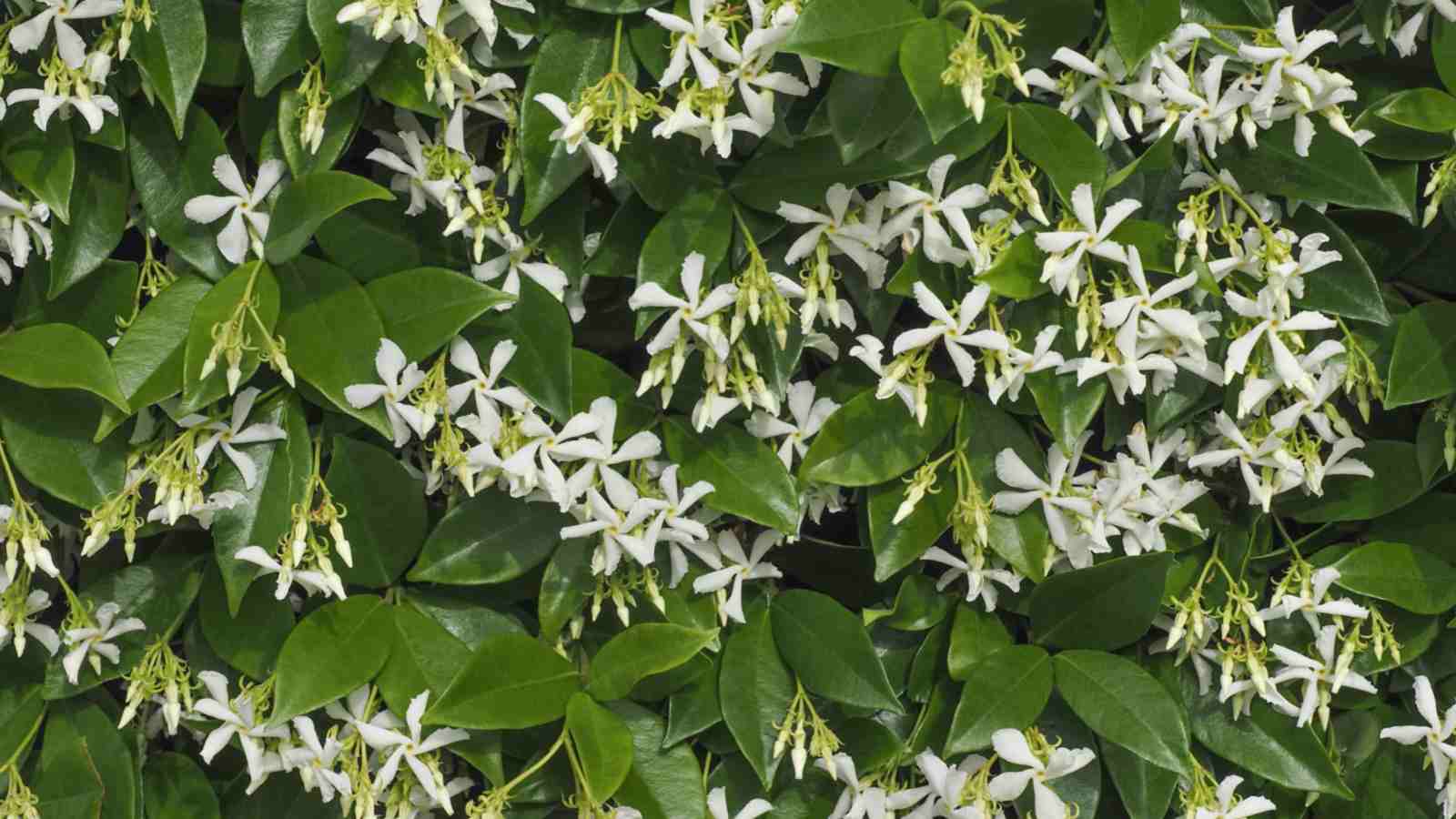
1. Jasmine Tea
One of the most popular ways to enjoy the benefits of it is through tea. Jasmine tea, typically made by blending green tea leaves with it blossoms, offers a refreshing and aromatic beverage. Regular consumption can provide antioxidant benefits, improve digestion, and promote relaxation.
Add 1-2 teaspoons of jasmine tea leaves to a cup of hot water.
Steep for 3-5 minutes.
Strain and enjoy.
2. Aromatherapy
Jasmine essential oil is a staple in aromatherapy. Diffusing it in your home can create a calming atmosphere, reduce stress, and improve sleep quality. It can also be added to bath water for a relaxing soak.
Using Jasmine Oil in Aromatherapy:
Add a few drops of this oil to a diffuser.
Inhale deeply to experience its calming effects.
3. Topical Applications
this oil can be applied directly to the skin or mixed with carrier oils such as coconut or jojoba oil. It is beneficial for skin hydration, reducing inflammation, and treating minor wounds or infections.
How to Apply Jasmine Oil:
Mix a few drops of this oil with a carrier oil.
Apply to the skin and massage gently.
4. Culinary Uses
In some cultures, jasmine flowers are used to flavor foods and beverages. They can be added to syrups, desserts, and even rice dishes to impart a unique floral note.
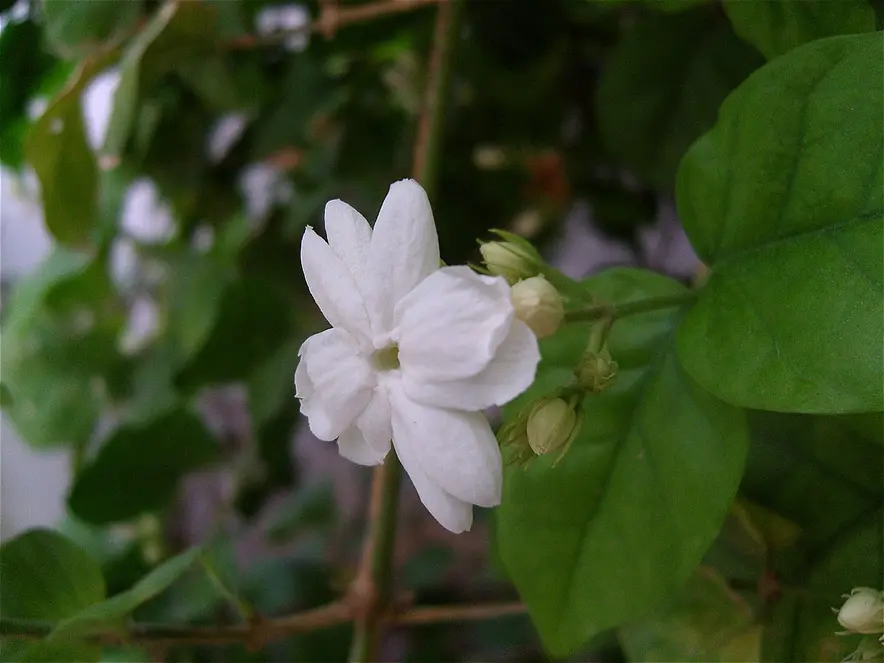
Infuse jasmine flowers in sugar syrup for use in desserts.
Add fresh it flowers to rice while cooking for a subtle fragrance.
it is more than just a fragrant flower; it is a powerhouse of health benefits and versatile herbal applications. Whether consumed as tea, used in aromatherapy, applied topically, or incorporated into culinary creations, it offers a natural way to enhance well-being. By integrating it into your daily routine, you can enjoy its myriad health benefits and experience the soothing and healing properties of this remarkable flower.
ask about our great healthy products
https://www.indigo-herbs.co.uk/natural-health-guide/benefits/jasmine